Born in Stuttgart (Germany) in 1963, Steffen Lehmann grew up at the intersection of creativity and technical precision — the son of an artist and an engineer. That combination would come to define his life's work.
Over the last four decades, he lived and worked across some of the world's most contrasting cities: Berlin, London, Tokyo, Singapore, Las Vegas, Sydney, and Brisbane.
Early in his career, Lehmann began asking a question few architects were taking seriously in the 1980s: what does sustainability actually mean for the way we design cities? His 1990 Master's thesis at the AA School — Eden: Nature in the City — was an early answer.
His interest in sustainable urbanism and waste avoidance predates the mainstream conversation by decades and signalled where his work was headed long before the field caught up.

Profile
After graduating from the Architectural Association (AA School) in London in 1991, he founded his Berlin practice, Steffen Lehmann Architekten (s_Lab), in January 1993. He led his first practice for over a decade while completing his PhD at TU Berlin — building and thinking simultaneously.
In Berlin, he had a significant career as a young, successful architect gaining international recognition, and fully immersed in the urban discourse of German post-reunification.
In December 2002, he was appointed Full Professor and Chair of Architecture and Urbanism, beginning a parallel career in academia that would take him across four continents.
SUSTAINABILITY DOESN’T NEED TO COST MORE OR LOOK UGLY, COMPROMISING THE DESIGN.

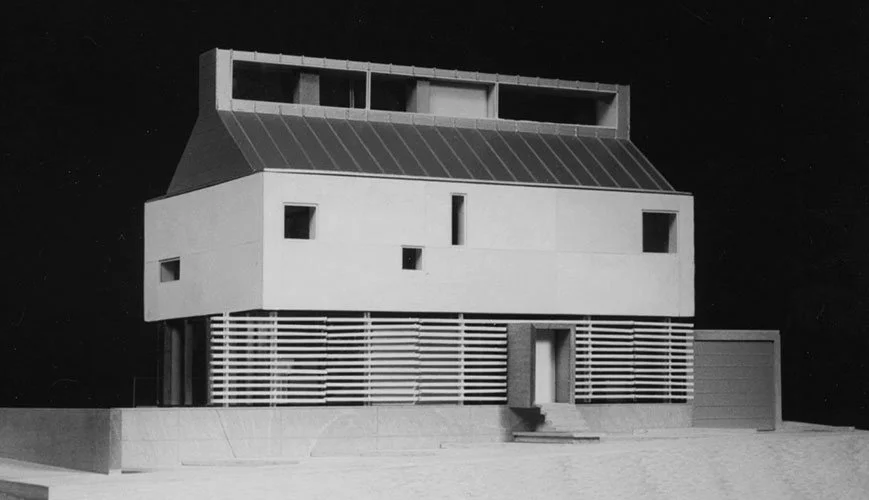
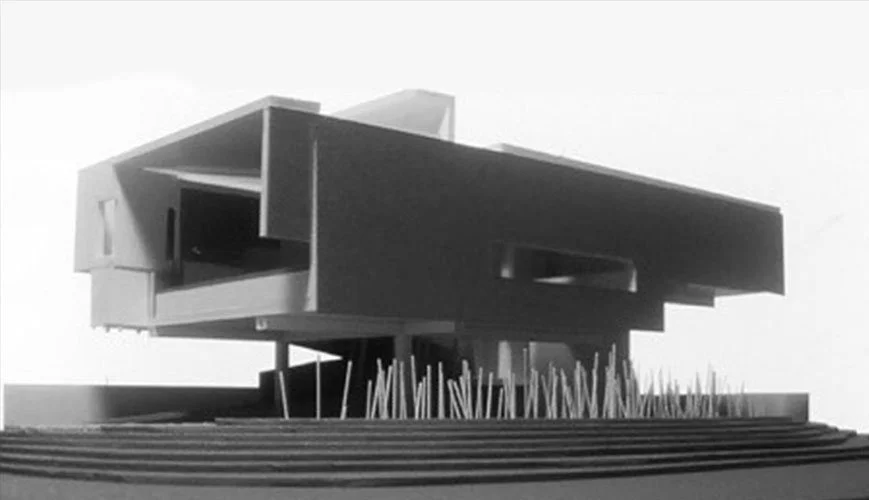
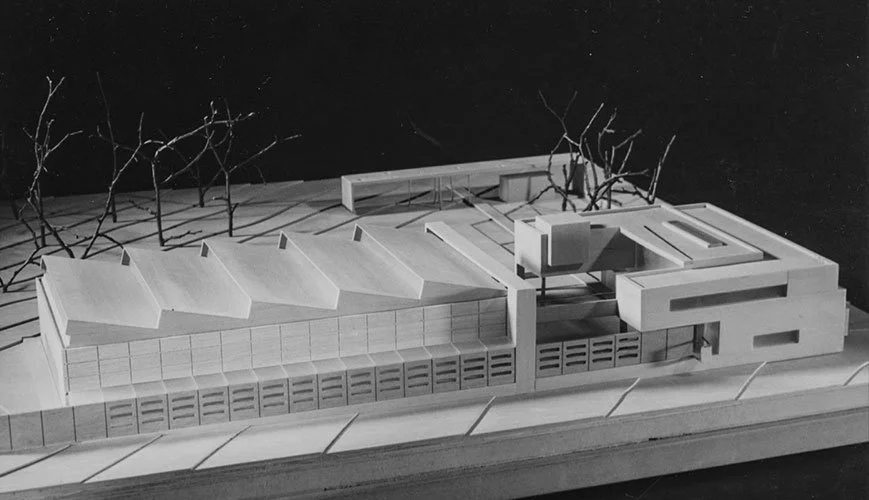
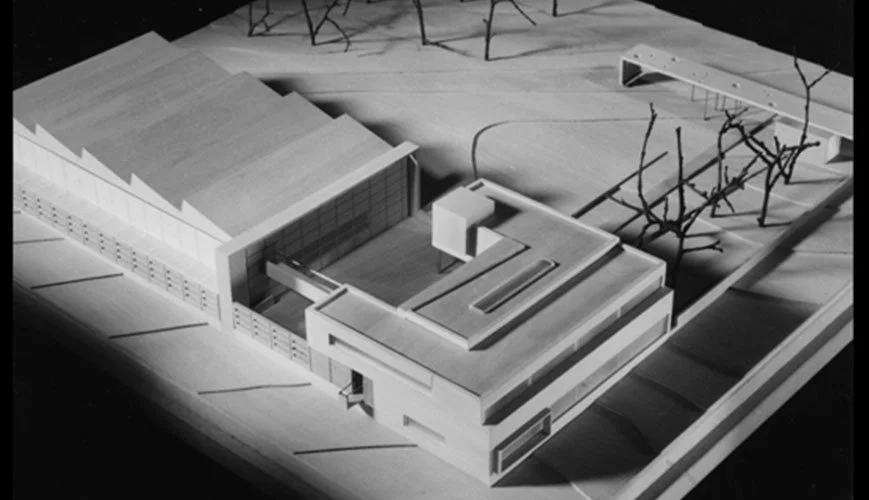
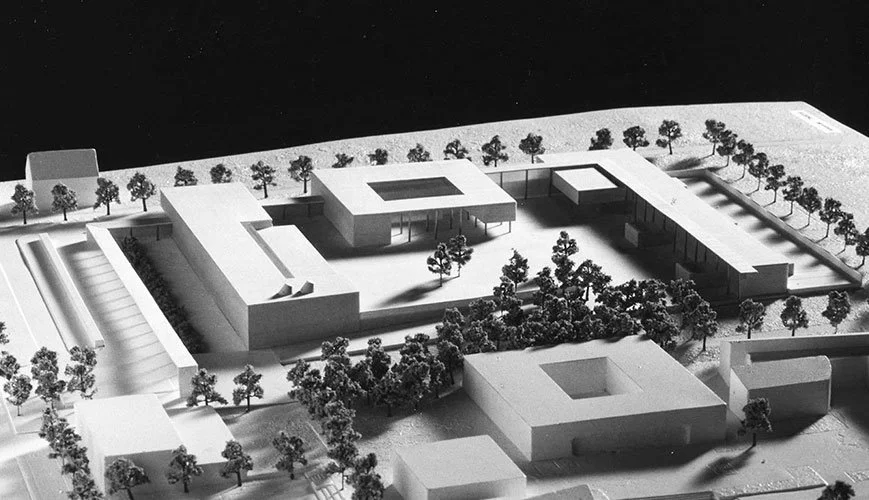
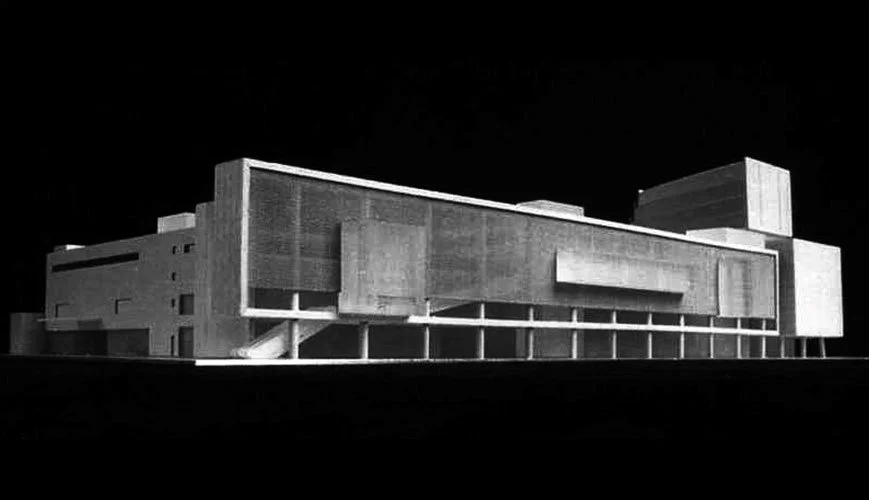
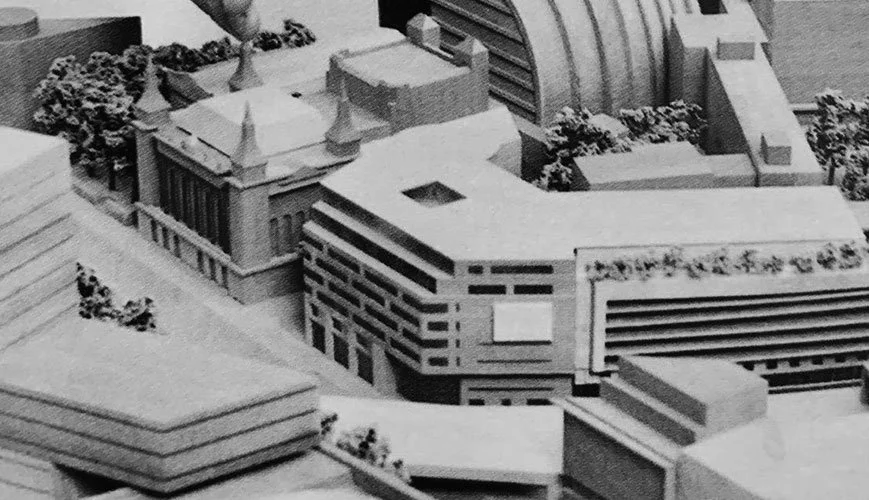
Lehmann’s built work includes a range of large and small projects, for public and private clients, at historically significant locations.
His research sits at the intersection of sustainability, design methods, and the history and theory of the modern movement — tracing how 20th-century ideas about climate, form, and city making travelled from their European origins into the UK, Japan, Brazil, India, and Australia. Growing up in Germany, the birthplace of Bauhaus, gave him an instinct for following modernism as it adapted and mutated across cultures and different climates (e.g., the outstanding modern schemes in Rio de Janeiro, São Paulo, or Ahmedabad).
Early in his career, he worked directly with Pritzker Prize laureates James Stirling in London and Arata Isozaki in Tokyo, and taught alongside Hans Hollein in Austria — absorbing first-hand the ideas and working methods of these influential masters who shaped 20th-century architecture.
Long before sustainability became a marketing strategy, his designs were already sustainable, considered, and built to last. Lehmann stands for an architecture rooted in respect for nature and cultural landscape — working in the tradition of European urbanism.
Lehmann holds dual German-Australian citizenship and a U.S. Green Card.
TRULY SUSTAINABLE ARCHITECTURE DOESN'T ASK WHAT MUST BE SACRIFICED. IT ASKS WHAT BECOMES POSSIBLE.